


Know the Signs. Protect Your Mobility. Learn About Your Circulation.
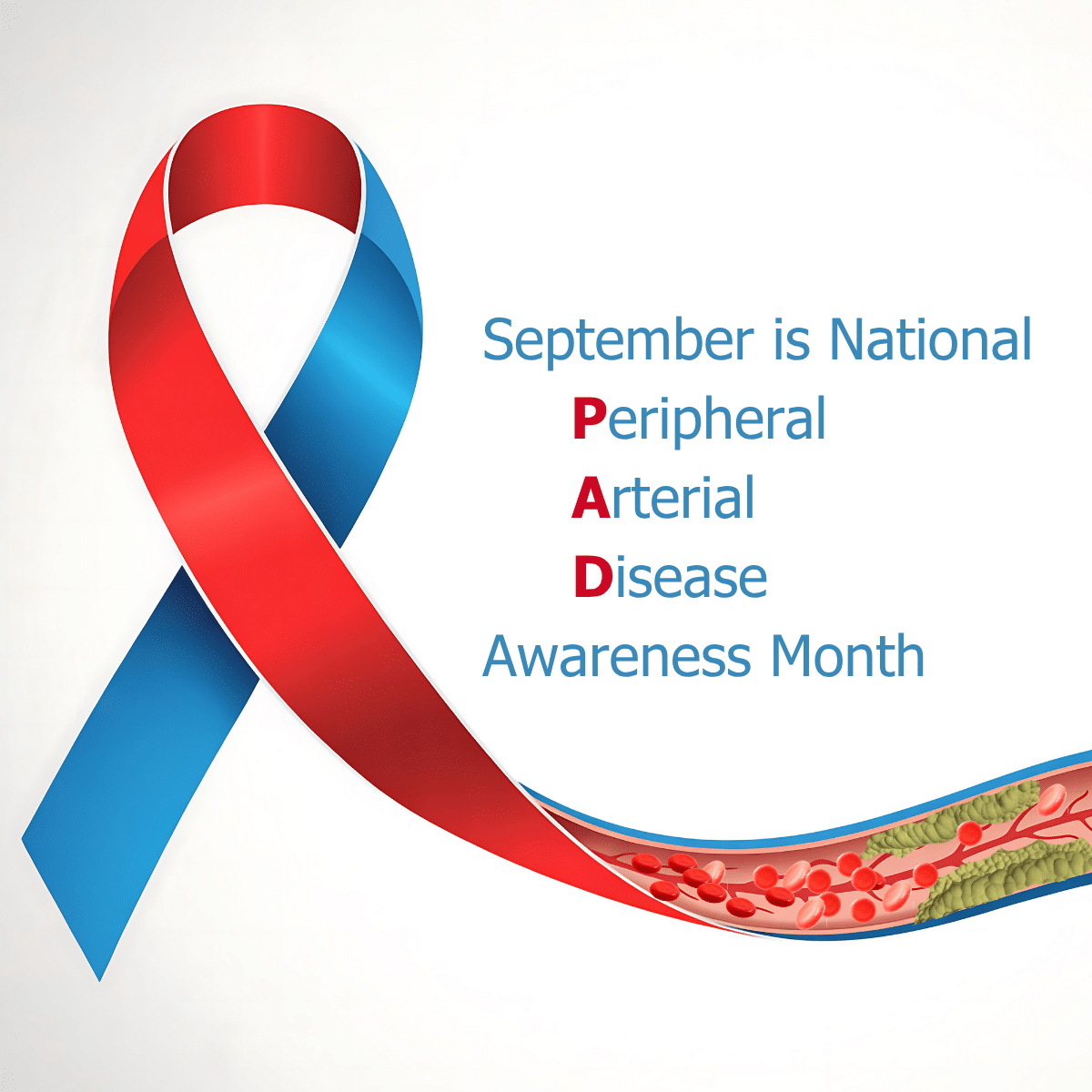
September is Peripheral Arterial Disease (PAD) Awareness Month
September is dedicated to increasing awareness of Peripheral Arterial Disease (PAD), a common circulatory condition that may reduce blood flow to the legs and feet.
Many people assume symptoms such as leg pain while walking, tired legs, numbness, or slow-healing wounds are simply part of aging. In some cases, these symptoms may be associated with circulation problems that deserve medical attention.
At Pulse Vascular, our goal during PAD Awareness Month is to help patients and families learn the signs of PAD, understand risk factors, and know when it may be appropriate to schedule a vascular evaluation.
What Is Peripheral Arterial Disease (PAD)?
Peripheral Arterial Disease, commonly called PAD, occurs when arteries that supply blood to the legs become narrowed or blocked, reducing blood flow to the lower extremities.
PAD is often associated with atherosclerosis, a condition involving plaque buildup within arteries.
While some individuals experience noticeable symptoms, others may have no obvious symptoms at all.
Common Questions About PAD
What are the symptoms of Peripheral Arterial Disease?
Common symptoms may include:
- Leg pain while walking that improves with rest
- Cramping in the calves, thighs, or buttocks
- Fatigue or heaviness in the legs
- Cold feet or lower legs
- Numbness or weakness
- Changes in skin color
- Slow-healing wounds on the feet or legs
- Reduced walking distance
Not everyone with PAD experiences symptoms. A vascular evaluation can help determine whether circulation concerns may be contributing to your symptoms.
What causes Peripheral Arterial Disease?
Several factors may contribute to the development of PAD, including:
- Smoking history – Visit the NJ Quit Line for help to quit smoking.
- Diabetes
- High blood pressure
- High cholesterol
- Heart disease
- Family history of vascular disease
- Age-related vascular changes
Who is at higher risk for PAD?
You may be at higher risk if you:
- Are over age 50
- Have diabetes
- Currently smoke or have smoked in the past
- Have high cholesterol
- Have high blood pressure
- Have a history of cardiovascular disease
- Have chronic kidney disease
Could My Leg Pain Be Related to Poor Circulation?
Many patients search:
Why do my legs hurt when I walk?
Why do my calves cramp while walking?
Why do my legs feel tired after short distances?
While there are many possible causes of leg discomfort, circulation issues are one potential factor that should not be overlooked.
A vascular specialist can evaluate blood flow and determine whether vascular disease may be contributing to your symptoms.
PAD Symptoms vs. Normal Aging
A common misconception is that leg discomfort, slower walking, or reduced stamina are unavoidable parts of aging.
While aging can affect mobility, symptoms such as:
✓ Leg pain during activity
✓ Repeated cramping during walks
✓ Cold feet
✓ Non-healing wounds
✓ Significant limitations in walking distance
may warrant further evaluation.
Why Early Evaluation Matters
Early recognition of vascular conditions may help patients understand their options sooner.
A vascular evaluation may help identify:
- Arterial circulation concerns
- Vein-related conditions
- Other vascular disorders affecting mobility
- Potential next steps for treatment or ongoing monitoring
Our specialists provide personalized evaluations to help patients better understand their circulation health.
What Happens During a Vascular Evaluation?
Patients frequently ask:
“What should I expect at my first appointment?”
Your evaluation may include:
- Review of symptoms
- Medical history discussion
- Physical examination
- Vascular imaging or diagnostic testing when appropriate
- Discussion of findings and treatment options
The goal is to provide clear information and answer your questions about vascular health. Click here for a guide of what to discuss with your doctor about PAD.
Why Patients Choose Pulse Vascular
Specialized Vascular Expertise
Our team focuses on vascular and image-guided treatment solutions designed around patient comfort and convenience.
Outpatient Care
Many evaluations and minimally invasive procedures can be performed in an outpatient setting.
Patient-Centered Approach
We believe informed patients make better healthcare decisions. Education and personalized care remain central to our approach.
Convenient Access
We work closely with patients and referring providers to facilitate timely evaluations and care coordination.
PAD Awareness Month Self-Assessment
You may want to schedule a vascular evaluation if you have experienced any of the following:
☐ Leg discomfort when walking
☐ Calf cramping during activity
☐ Slow-healing wounds
☐ Cold feet or lower legs
☐ Diabetes and circulation concerns
☐ Smoking history plus leg symptoms
☐ Reduced walking distance
Checking one or more boxes does not mean you have PAD, but it may be worthwhile to discuss your symptoms with a qualified healthcare professional.
Frequently Asked Questions
Is Peripheral Arterial Disease serious?
PAD can affect circulation and mobility. A healthcare professional can help determine the significance of symptoms and discuss appropriate management options.
Can PAD be treated?
Treatment options vary based on individual circumstances and may range from lifestyle modifications and medication management to minimally invasive vascular procedures.
Does PAD always cause symptoms?
No. Some individuals experience noticeable symptoms while others may have few or no symptoms.
Is leg pain always caused by PAD?
No. Leg pain can result from many causes including orthopedic, neurologic, muscular, and vascular conditions. Evaluation can help identify the underlying cause.
Schedule a Consultation
During National Peripheral Arterial Disease Awareness Month, take a proactive step toward understanding your circulation health.
If you have questions about leg pain, walking discomfort, circulation concerns, or vascular health, the Pulse Vascular team is here to help.
Learn More About Your Circulation Health